
If you have high cholesterol, you have a greater chance of developing heart disease, or having a heart attack or stroke. Hear from people living with high cholesterol as they share their experiences and offer tips about what worked for them.
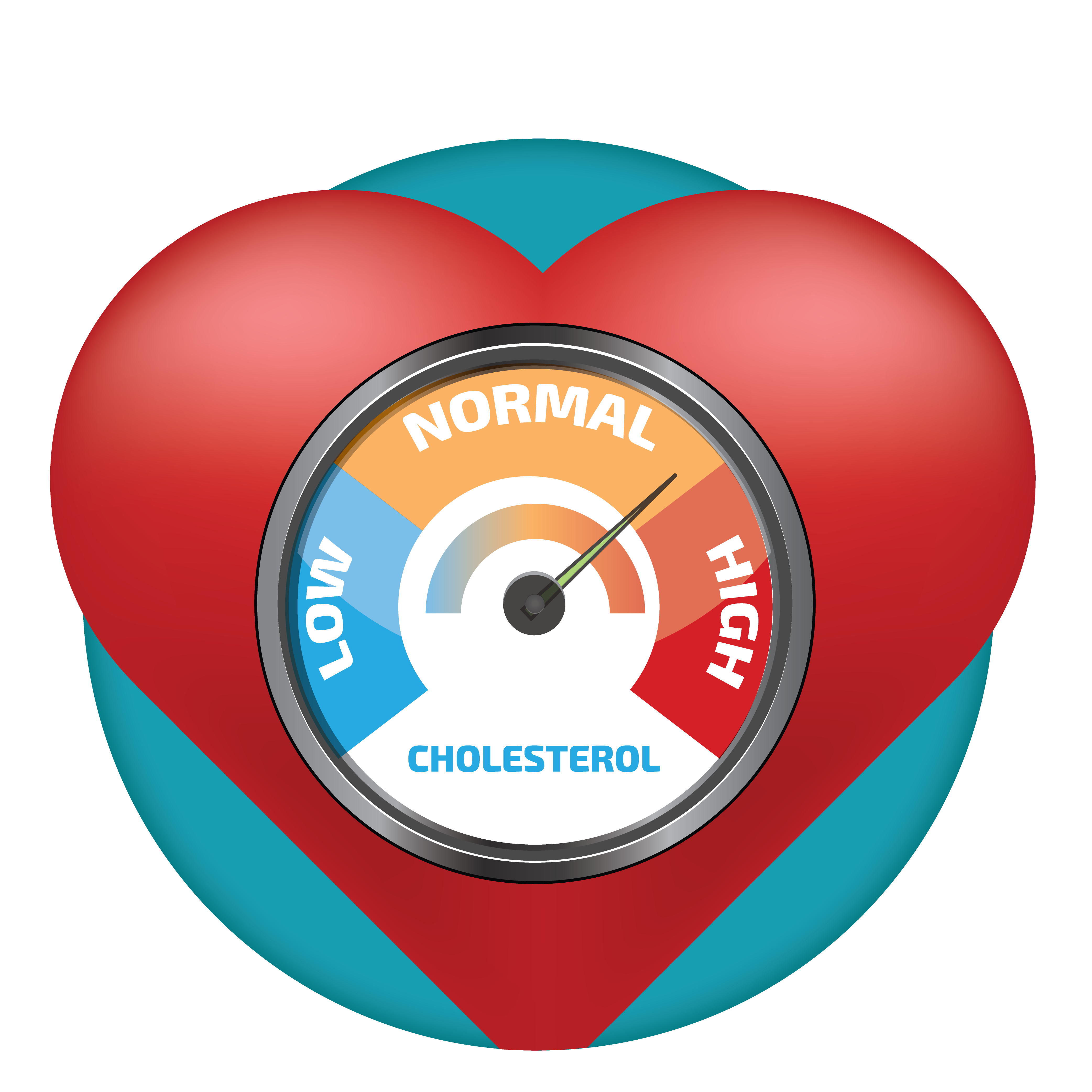 Cholesterol is a waxy, fat-like substance
that travels through the blood.
Cholesterol is a waxy, fat-like substance
that travels through the blood.
Your body makes the cholesterol it needs, but it also comes from some foods (for example, full-fat dairy products, fried foods and fatty meat).
Too much cholesterol can be harmful. Over time, cholesterol and fat can build up and form plaque in the inner walls of the arteries that supply blood to the heart and other parts of the body. This buildup narrows the arteries – a condition called atherosclerosis, which is a major cause of heart attack and stroke.
The good news is that having cholesterol that's higher than it should be is often preventable and treatable – and experts say that earlier treatment and lower cholesterol is better. That's because too much cholesterol in your blood can begin to impact your risk of heart disease early in life.
You can take steps to lower your cholesterol and protect your heart health.
Step 1: Know your blood fat (lipid) numbers – this includes your total cholesterol, LDL cholesterol, high-density lipoprotein (HDL) cholesterol, triglycerides, and lipoprotein(a).
Step 2: Talk about these numbers and your personal risk of heart disease during regular checkups. Cholesterol is an important piece of the puzzle, as is your age, blood pressure, kidney health, weight, other health habits and conditions.
Step 3: Make healthy lifestyle choices. For example:
Step 4: If recommended, start on a statin in addition to keeping up with healthy habits to help lower your cholesterol and risk of heart problems. Statins are the first go-to medicines to help control blood lipids (fats).
Read on to learn more.
If you have high cholesterol, you have a greater chance of developing heart disease, or having a heart attack or stroke. Hear from people living with high cholesterol as they share their experiences and offer tips about what worked for them.
