
Tests for Kidney Disease
Like high blood pressure, chronic kidney disease doesn’t usually cause symptoms early on. That’s why screening for kidney damage is important – especially if you have heart disease, high blood pressure or diabetes.
Two simple tests can check your kidney health. The results give important clues about how well your kidneys are functioning.
- A blood test to measure your GFR (this stands for glomerular filtration rate), which shows how well your kidneys are filtering waste from your blood.
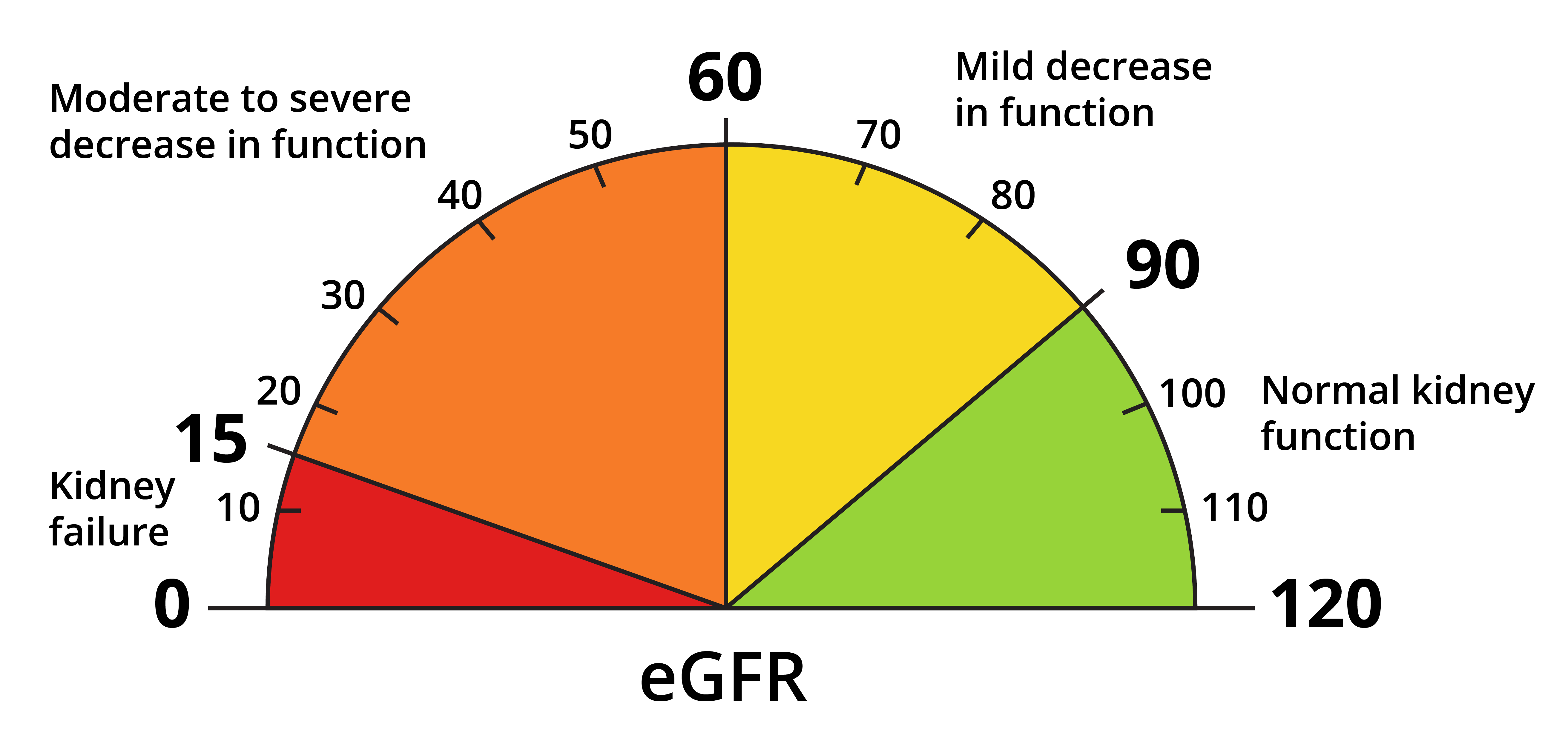
Credit: National Institute of Diabetes and Digestive and Kidney Diseases, National Institutes of Health
- A urine test called a UACR (urine albumin-to-creatinine ratio) to check for albumin. Albumin is a type of protein that can leak into your urine when the kidneys are damaged.
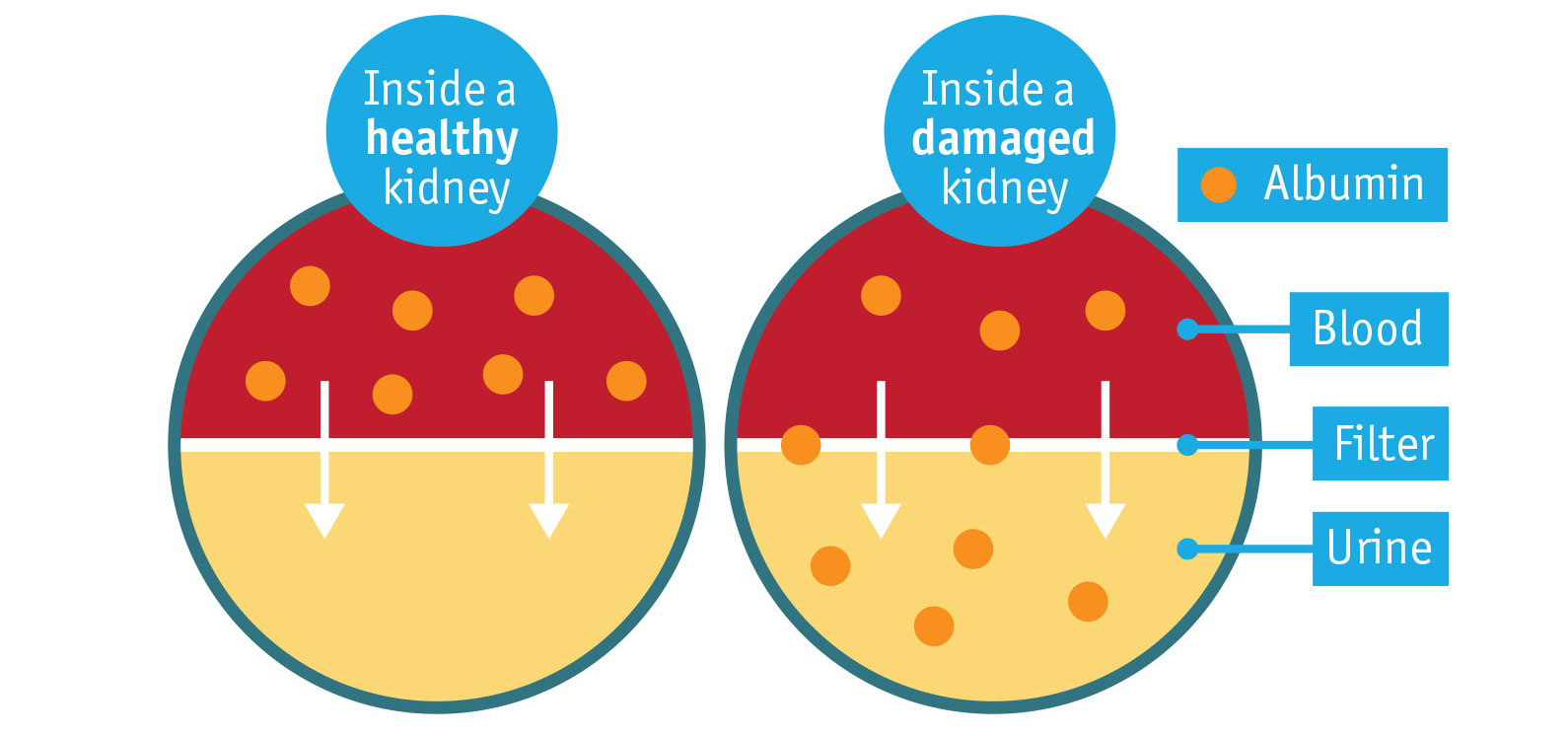
Chronic kidney disease is defined as a GFR less than 60 mL/min/1.73m2 or evidence of albumin or protein in the urine (a UACR greater than 30 mg/g) on two occasions, three months apart.
These tests can pick up on kidney issues at early stages, when treatment and lifestyle changes can help slow further declines in kidney function. And these treatments can help protect your heart too!
GFR and UACR should ideally be repeated to monitor your kidney health and adjust treatment as needed. These tests should also be done in addition to other routine tests and risk assessments, including:
- Blood pressure checks
- Blood lipids (fats), including cholesterol and triglycerides
- Blood sugar (diabetes)
- Body mass index (BMI) and waist circumference – excess body weight is one of the main drivers of all of the conditions that can affect your heart and kidneys and should be checked annually
All of these risk factors and conditions affect the kidneys and the heart too. Managing blood pressure, blood sugar, weight and kidney function is vital to protect both organs and try to prevent complications.
Knowing the stage of chronic kidney disease can help guide treatment and monitoring to lower the chance of having a heart attack, stroke or loss of kidney function. Other tests may be ordered to look at how your kidneys are functioning (ultrasound) or to examine a sample (biopsy).
- Last Edited 06/09/2026